Hyde Park was platted in 1891, and a streetcar line built by its developer, Monroe Martin Shipe, once carried residents downtown. Early sales were slow, and the neighborhood shifted from a planned enclave of large houses to a home for middle- and working-class families.
Its largest building boom came between 1924 and 1935, which left it with a wealth of bungalows on tree-lined streets just north of the University of Texas. Much of the neighborhood is now a City of Austin local historic district.
Hyde Park at a glance
- Homes Bungalows and older cottages, with some garage apartments and small multifamily buildings
- Setting Tree-lined grid north of UT, with a City local historic district
- Getting around Duval Street and Speedway, with Guadalupe Street and Lamar Boulevard nearby
- Nearby Shipe Park, the Elisabet Ney Museum, the Avenue B Grocery, Duval Street restaurants
A short history of Hyde Park
- 1891 Hyde Park is platted north of the city, served by Monroe Martin Shipe’s streetcar line.
- 1892 Sculptor Elisabet Ney builds her studio, Formosa.
- 1924–1935 The neighborhood’s largest building boom fills its streets with bungalows.
- Today Much of Hyde Park is a City of Austin local historic district.
What makes it Hyde Park
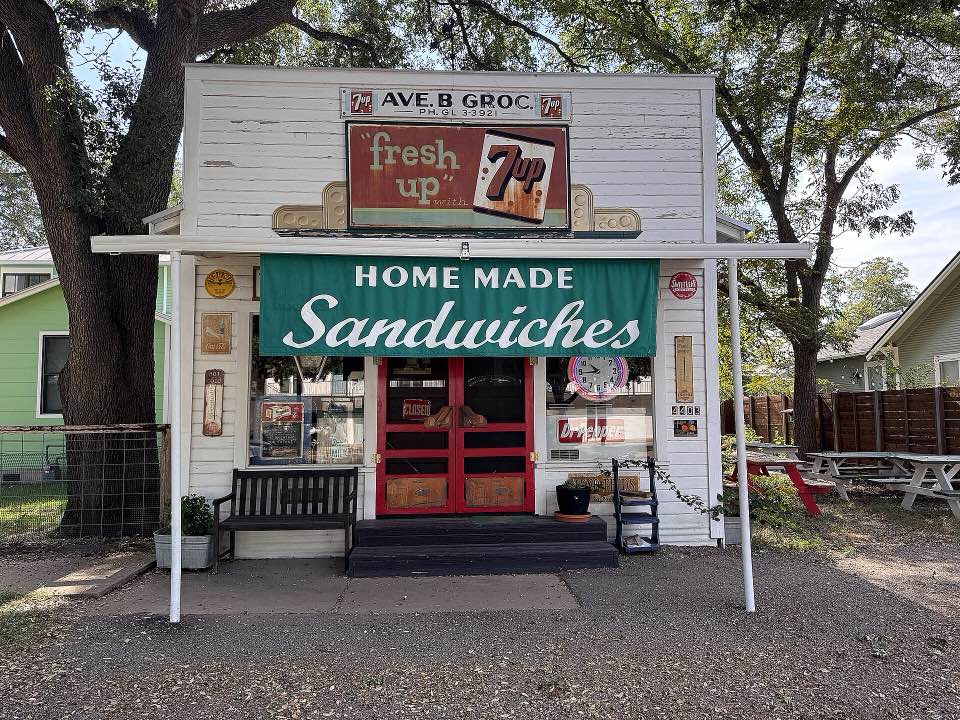
The Avenue B Grocery appears in the City’s history of the neighborhood and still anchors a Hyde Park corner.
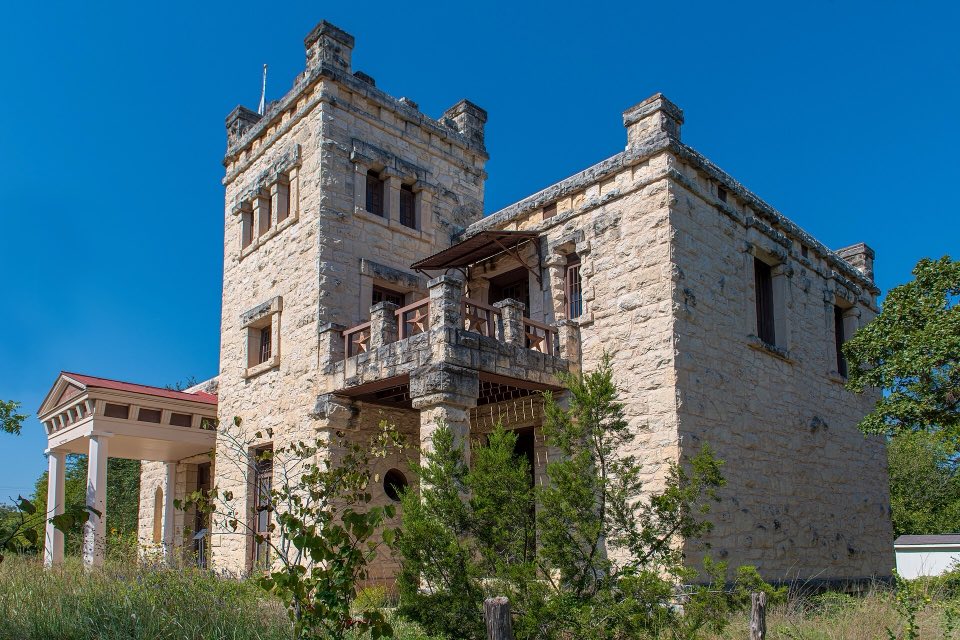
Sculptor Elisabet Ney built this studio, which she called Formosa, in 1892. It is now a City museum.
Things to do in Hyde Park
- Elisabet Ney Museum The sculptor’s studio, now a City museum.
- Shipe Park Pool, playground, and lawn in the middle of the neighborhood.
- Avenue B Grocery A neighborhood grocery named in the City’s history of Hyde Park.
- Duval Street Coffee shops, restaurants, and Hyde Park Theatre.
- Hyde Park Bar & Grill Easy to find by the giant fork out front.
Local flavor
Hyde Park’s quirks are quiet ones.
- The giant fork A towering fork sculpture marks Hyde Park Bar & Grill on Duval Street.
Buying a home in Hyde Park
In the local historic district, exterior changes such as additions, new windows, or demolition are reviewed against the district’s design standards, so ask what is allowed before you plan a project. Find out whether the house is a contributing structure, since that affects how changes are reviewed.
Many homes are close to a century old: look carefully at foundations, wiring, plumbing, and past renovations, and ask for the permits behind them. Some lots include a garage apartment or accessory unit; confirm how it is permitted and used. Proximity to the University of Texas means some nearby homes are rentals, which can change how a block feels.
Project Connect and the I-35 rebuild are also part of the central-Austin picture. I summarized what buyers should know in I-35 and Project Connect.
Daily life in Hyde Park
Shipe Park, named for the neighborhood’s developer, has a pool, a playground, and open lawn in the middle of the neighborhood. The Elisabet Ney Museum occupies the sculptor’s historic studio.
Small businesses such as the Avenue B Grocery and the restaurants along Duval Street are part of everyday life. Walk the streets you would use and notice how quickly they change near the university.
Getting around Hyde Park
Duval Street and Speedway run north and south through the neighborhood, with Guadalupe Street and Lamar Boulevard close by. The university and downtown are a short bike ride or bus trip away; confirm current routes with Capital Metro.
Questions to ask at a showing in Hyde Park
- Is this house a contributing structure in the historic district?
- Which design standards would apply to the changes I have in mind?
- Which renovations were permitted, and when?
- How is the garage apartment or accessory unit permitted and used?
- What is the condition of the foundation, wiring, and plumbing?
Before you decide on Hyde Park
Read the design standards that apply, review any past permits, and visit at different times of day. For schools, confirm the assignment directly with the district.
Notes on Hyde Park
Curious about a home in Hyde Park?
Bring the address and your questions, and let’s discuss what to investigate next.
Sources: City of Austin historic districts and the Elisabet Ney Museum.